
Discovering MIRAQL Garden: A Modern Landscape Marvel

Intro
MIRAQL Garden, nestled in the heart of Dubai, stands as a testament to modern landscape design. It’s not just a garden; it’s an experience. This urban oasis blends architectural elegance with nature’s simplicity, making it a pivotal part of the city's real estate narrative. As the world turns its gaze towards sustainable living and smart urban spaces, MIRAQL Garden offers a glimpse into a future where communities thrive amid green landscapes and innovative design.
In the bustling landscape of Dubai's property market, the significance of MIRAQL Garden cannot be overstated. It serves as a case study for investors, homeowners, and urban planners who are increasingly focused on not just aesthetics but also functionality. The garden encapsulates the evolving relationships between urban design, community engagement, and property values, inviting stakeholders to reconsider their perceptions of real estate in metropolitan environments.
This article walks through the intricate layers of MIRAQL Garden's design and its implications on the surrounding real estate. From understanding the market trends, diving into investment opportunities, and analyzing the unique feature of the garden itself, readers will gain valuable insights to inform their decisions in the vibrant Dubai property scene. Join us as we uncover the multifaceted wonders of MIRAQL Garden, a beacon of sustainable elegance and modern urban living.
Preamble to MIRAQL Garden
MIRAQL Garden stands as a testament to what modern landscape design can accomplish when innovation meets practicality. This garden is not just a green space in the busy heart of Dubai; it epitomizes a balance between beauty and ecological responsibility. Exploring the nuances of this garden reveals its pivotal role in urban living and community cohesion. Investors, agents, expatriates, analysts, and potential buyers would find the charm of this garden a crucial factor in their real estate considerations.
Historical Context
Understanding the historical backdrop of MIRAQL Garden enriches one's appreciation of its design and purpose. Originally conceived during a surge in Dubai's urban development, the garden was designed to meet the needs of a growing population while promoting environmental sustainability. The architectural framework is steeped in cultural significance, integrating elements from traditional Arabian gardens while pushing the envelope of modernism. Drawing inspiration from ancient irrigation methods, the creators of this space aimed to blend functionality with aesthetics, ensuring that visitors connect with both the landscape and heritage.
MIRAQL Garden is not just a feature of the urban landscape; it is rooted in the trajectory of Dubai’s transformation from a desert settlement to a bustling metropolis, embodying a vision for sustainable growth.
Location and Accessibility
MIRAQL Garden is strategically positioned in the heart of Dubai, making it accessible for both residents and tourists alike. Nestled conveniently near major transportation hubs, this garden is not difficult to locate—whether one is using public transport, driving, or biking. Its location also reinforces its role as a community gathering place. By taking a trip to the garden, one can easily engage with other visitors, blending social interaction with the serenity offered by nature. The design of the pathways promotes smooth traffic flow, ensuring that the experience remains enjoyable without feeling crowded.
Ultimately, as urban areas continue to expand, gardens like MIRAQL become essential. They serve as lungs for the city and retreats for individuals seeking respite from the hustle and bustle. Their role cannot be understated—not only do they enhance property values, but they also contribute to an overarching sense of community and well-being.
Architectural Elements of MIRAQL Garden
The architectural elements of MIRAQL Garden are not merely decorative accents but are foundational to its identity as a modern landscape masterpiece. They play a crucial role in creating spaces that are functional, aesthetically pleasing, and environmentally sustainable. The careful consideration of design philosophy, material selection, and landscaping techniques highlights how architecture can harmoniously blend with nature.
Design Philosophy
At the heart of MIRAQL Garden lies a design philosophy that champions the concept of biophilia—our innate connection to the natural world. This garden thoughtfully incorporates various aspects of traditional and contemporary styles, creating a weave of textures and forms that invite visitors to explore. The design does not shy away from boldness, embracing curves and geometric shapes that draw the eye. The flow of space encourages leisurely strolls, whether visitors are deep in reflection or in a spirited conversation.
Furthermore, the integration of nature into the design is paramount. Large, transparent glass structures allow natural light to filter through, filling the interiors with warmth and vibrancy. This aesthetic fosters an environment that feels alive and engaging, encouraging community interaction while promoting well-being.
Material Selection
The materials selected for MIRAQL Garden reflect a careful balance between beauty and functionality. Natural stone, reclaimed wood, and sustainable composites echo the surrounding environment, grounding the structure in the landscape. For example, the use of sandstone sourced locally not only reduces the carbon footprint but also enhances the visual appeal, connecting visitors with the history of the land.
Textures play a significant role in the material choices, with smooth surfaces contrasted against rough-hewn stones, capturing the dynamic essence of nature. Each material is chosen not just for its aesthetic quality but also for its durability and environmental impact. This attention to sustainability is crucial as it lays the groundwork for a garden that remains vibrant and functional for years to come.
Landscaping Techniques
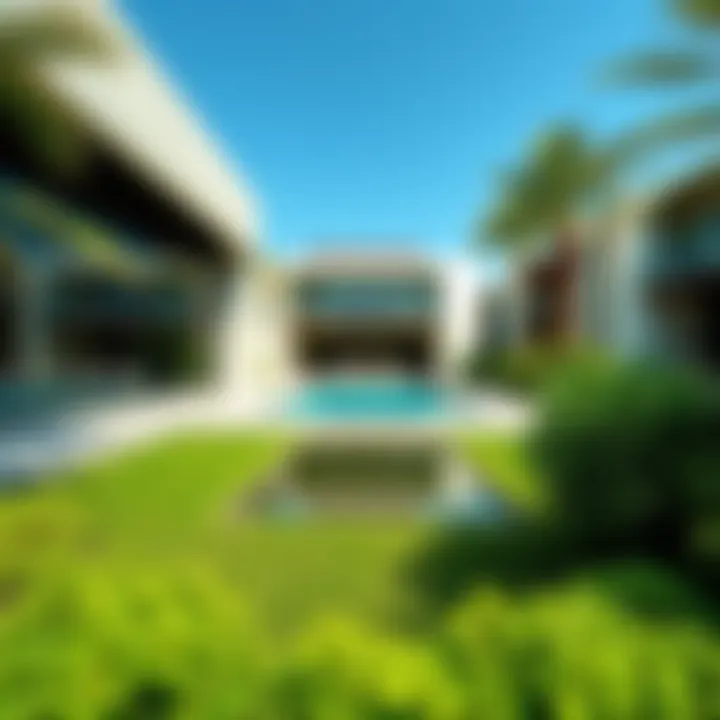
Landscaping in MIRAQL Garden is a masterclass in the use of native flora, showcasing the region’s ecological wealth. The garden employs xeriscaping practices to conserve water, utilizing drought-resistant plants that flourish in arid conditions without high maintenance. This not only supports a vibrant ecosystem but also functions as an educational tool, illustrating the importance of sustainable gardening techniques.
Innovative features such as green roofs and vertical gardens enhance the urban environment, cooling surrounding areas and improving air quality. Paths are crafted from permeable materials, allowing rainwater to seep through and support groundwater recharge. Such techniques encapsulate the idea of working with nature rather than against it, enabling the garden to thrive in harmony with its ecosystem.
"Architecture is the art of how to waste space." – Philip Johnson
For further insight into sustainable landscape practices, explore Wikipedia or check out Britannica for more on landscape architecture.
Sustainability Practices
The MIRAQL Garden sets a benchmark in modern landscape design not just through its aesthetic ingenuity but also through its commitment to sustainability practices. As urban environments expand, the pressure on natural resources intensifies. Therefore, implementing sustainability within such projects goes beyond mere trendiness; it is essential for fostering resilient ecosystems, addressing climate change, and promoting community well-being. Sustainability in this garden is reflected through various initiatives that prioritize environmental health while ensuring that the needs of the local community are met.
Water Conservation Strategies
Water is a precious resource, especially in arid regions like Dubai. MIRAQL Garden employs several water conservation strategies aimed at minimizing wastage while supporting the flora and fauna within its boundaries.
- Drip Irrigation Systems: This technique delivers water directly to the roots of plants, which minimizes evaporation and runoff. By using a network of tubes and emitters, the garden ensures efficient water distribution, thereby optimizing use.
- Xeriscaping: This landscaping technique uses drought-resistant plants that require minimal irrigation. The garden is dotted with indigenous flora that thrives naturally in the local climate, reducing the dependency on supplemental watering.
- Rainwater Harvesting: Collecting rainwater for irrigation purposes diminishes the reliance on municipal water supplies. The design incorporates collection systems that channel rainwater for reuse, a smart way to tap into a natural resource.
Implementing these strategies not only conserves water but also illustrates a deep understanding of the local ecosystem. This approach not only benefits the garden itself but serves as an educational model for other developments in the region.
Biodiversity and Ecosystem Support
Promoting biodiversity is vital for maintaining ecological balance, and the MIRAQL Garden takes significant strides in this direction. By creating a habitat that encourages a wide array of plant and animal species, the garden fosters a healthy ecosystem that has far-reaching benefits.
- Native Plant Species: The garden is home to various native plants that provide food and shelter for wildlife. These species are well-adapted to the local environment, require less water, and support pollinators, thus enhancing biodiversity.
- Wildlife Corridors: The design includes pathways that allow small animals to traverse the area safely, connecting different habitats. This consideration helps sustain local wildlife populations while promoting natural interactions.
- Educational Programs: The garden engages the community through educational programs that teach visitors about the importance of biodiversity and sustainable practices. Workshops and guided tours allow for a deeper understanding of how urban design can harmonize with nature.
Through these initiatives, the MIRAQL Garden stands as a vivid testament to the integration of sustainable practices in urban planning. It offers considerable ecological benefits while enriching the community's experience of green space, fostering a sense of stewardship towards the environment.
"Sustainability in urban design is not merely a choice but an obligation to future generations. It reflects a commitment to the environment that nurtures us all."
For further readings on sustainability strategies in urban spaces, consider visiting Wikipedia on Urban Sustainability or Britannica on Ecology.
Links like this Reddit thread can also provide insights and community discussions about sustainable urban design practices.
Community Engagement and Usage
Community engagement lies at the core of MIRAQL Garden's design. The garden is more than just a space filled with flora and pathways; it's a vibrant hub that fosters social exchange and enhances the quality of life for residents and visitors alike. Engaging the community actively benefits everyone involved—it enriches local culture and elevates the overall experience associated with urban living. This section explores the various dimensions of community usage within MIRAQL Garden, underpinning its role as a keystone in the fabric of modern urban environments.
Cultural Events and Activities
MIRAQL Garden stands as a stage for a myriad of cultural events that draw in the community like moths to a flame. Concerts, art exhibitions, seasonal festivals, and markets take center stage, turning the garden into a lively cultural district where creativity thrives.


- Seasonal Festivals: Imagine a space bustling with life, filled with families celebrating the arrival of spring or the vibrancy of autumn. These festivals not only attract local visitors but often entice tourists, making it a critical point of interest in Dubai.
- Art Exhibitions: Local artists display their works against the backdrop of stunning landscapes, combining artistry with nature. Often, these exhibitions are themed around sustainability or community, furthering the garden's ethos and connecting people through shared interests.
- Workshops and Classes: From gardening workshops to yoga sessions, the garden offers diverse activities promoting health and well-being. These programs encourage interaction among participants, which strengthens community bonds and creates a sense of belonging.
Public Amenities
One of the outstanding features of MIRAQL Garden is its thoughtfully integrated public amenities designed to meet the needs of users. These enhancements do more than merely make the space usable; they elevate the experience and foster a sense of community.
- Accessible Pathways: The garden boasts well-marked paths, ensuring easy access for all, including families with strollers and individuals with mobility challenges, enabling everyone to appreciate the beauty and function of the space.
- Play Areas: Dedicated play zones for children, filled with eco-friendly materials, provide a safe environment for youth to engage in outdoor activities. This is a significant draw for families, encouraging them to spend more time in the garden together.
- Refreshment Spots: Cafés and small eateries sprinkled throughout the garden create perfect spots for folks to grab a bite or a cold drink while enjoying the serene environment. These spots have slowly transformed into social hubs where people mingle and exchange stories.
- Rest Areas: Ample seating and shaded areas allow visitors to sit down, relax, and soak in the surroundings—creating a welcome pause in today’s fast-paced world.
In summary, the community engagement and the well-planned public amenities at MIRAQL Garden establish a unique space that resonates with the local populace. When the community feels a sense of ownership, it engenders a spirit of collective sustainability. As we learn from the experiences of MIRAQL Garden, the depth of community engagement can significantly influence urban design and development.
"Spaces like MIRAQL Garden are not just about the trees and flowers, they cultivate connections among people while enhancing urban living."
For further information about community-focused gardens and their impacts, consider visiting resources such as Wikipedia and Britannica.
Impact on Local Real Estate Market
The MIRAQL Garden stands as a remarkable landmark within Dubai, and its impact on the local real estate market cannot be overstated. As urban planners and developers increasingly recognize the integration of green spaces within city landscapes, MIRAQL Garden serves as a prime exemplar of the benefits that well-designed public gardens bring to their surrounding environments.
Influence on Property Values
The presence of MIRAQL Garden in the neighborhood has the potential to significantly boost property values. Properties located near green spaces generally command higher market prices, as they offer residents access to recreational areas, improved air quality, and aesthetic beauty. Here are some specific factors contributing to this positive trend:
- Increased Demand: The charm of having a lush garden nearby attracts families and individuals pursuing serene living environments. This attraction drives demand, consequently raising property prices.
- Enhanced Quality of Life: Living close to MIRAQL Garden promotes an active lifestyle, as residents can easily enjoy outdoor activities, which is a highly sought-after aspect in modern living.
- Community Appeal: The engagement brought by events and activities held in the garden fosters a sense of belonging, further enhancing the allure for potential homebuyers.
Real estate analysts have noted that properties within a close radius of well-maintained gardens often experience a faster turnover rate in the market than those situated farther away. This increased fluidity can be an enticing consideration for investors.
"Green spaces not only improve the aesthetic value of an area but can also lead to tangible economic benefits for property owners and investors."
Attraction for Investors
Investors are increasingly looking at urban gardens like MIRAQL as strategic assets in their portfolios. The allure of MIRAQL lies not only in its immediate aesthetic advantages but also in numerous financial incentives as well:
- Long-Term Value Growth: Green spaces have proven to appreciate over time, making investments around them attractive for long-term gains. With the global shift towards eco-friendly living, properties near sustainable landscape designs become even more appealing.
- Diversification Opportunities: Adding properties close to urban parks and gardens can diversify an investment portfolio, allowing for a spread of risk across different asset types.
- Favorable Government Policies: Local government initiatives often seek to promote environmental sustainability, such as grants for developments near gardens, which can offer financial incentives for targeted investments.
Comparative Analysis with Other Urban Gardens
A comparative analysis of urban gardens, including MIRAQL Garden, provides critical insights into its design, function, and overall contribution to the community. Understanding how MIRAQL stands against other notable gardens offers valuable lessons and highlights its unique attributes that cater to the public and investors alike. This section aims to dissect several factors that contribute to the overall success and sustainability of such urban landscapes.
Global Benchmarks
When exploring MIRAQL Garden's design elements and operational efficiency, it's essential to look at global benchmarks in urban landscaping. Gardens such as the High Line in New York City and Gardens by the Bay in Singapore serve as reference points to assess MIRAQL's design effectiveness and community impact. They have set exemplary standards in sustainability, aesthetics, and community engagement, which are instrumental in defining modern urban spaces.


- Innovative Use of Space: Both the High Line and Gardens by the Bay transform previously underutilized spaces into beautiful gardens that attract visitors year-round. MIRAQL Garden, with its intelligent layout and thoughtful sectioning, follows suit.
- Sustainability Initiatives: Gardens by the Bay emphasizes biodiversity and showcases sustainable architecture through its iconic Supertree Grove. MIRAQL's embrace of smart water management and native plant species situates it among these leaders in sustainability.
- Cultural and Arts Integration: The High Line has become a vibrant canvas for artists and performers, fostering community ties. MIRAQL, too, includes artistic installations and spaces for events that deepen its cultural relevance.
This comparative lens reveals the strengths and potentially areas of growth for MIRAQL Garden while positioning it within the larger conversation about urban green spaces.
Lessons Learned
The exploration of other urban gardens reveals several lessons that influence the ongoing development and strategy of MIRAQL Garden. Here are a few key takeaways that illustrate what MIRAQL can embrace or tweak:
- Community Involvement is Key: Engaging local communities in the design process can enhance ownership and attachment. MIRAQL might benefit from this in fostering long-lasting connections with its users.
- Diverse Programming: Offering a variety of events and activities proves vital. For instance, arts programming in the High Line draws diverse visitors, which could be a model for MIRAQL to replicate. Events could span local markets, music festivals, or workshops that reflect the community’s interests.
- Maintenance and Management Strategies: Sustainable practices don't stop at planting; they extend to efficient maintenance and updates. Lessons from Gardens by the Bay highlight the importance of a long-term management plan that evolves with the garden’s needs and user expectations.
By integrating these lessons, MIRAQL can further solidify its standing as a benchmark for future developments in urban gardening. As urban spaces continue to evolve, the insights from these comparisons will be invaluable for steering design choices and engaging with the local community adequately.
Future Developments and Expansions
The MIRAQL Garden stands not only as a stunning achievement in landscape design but also as a strategically important element in the evolving urban tapestry of Dubai. Engaging with the notion of future developments and expansions provides insights into how the garden will continue to shape its surroundings and the experiences of its visitors. A commitment to continual improvement and adaptation is essential in urban spaces. The future of MIRAQL Garden hinges on both beauty and functionality, resonating through developments that address community needs, environmental sustainability, and visitor enhancements.
Projected Enhancements
As time marches on, MIRAQL Garden is poised for a series of advancements that will elevate its status and utility. Among the key projected enhancements are:
- Technological Integration: Smart technologies are likely to be woven into the garden’s infrastructure. This could involve the installation of kiosks providing interactive maps or apps that guide visitors through themed walks, enhancing the user experience while ensuring ease of navigation.
- Extended Natural Habitats: Plans are underway to expand the native plant sections, fostering a miniature ecosystem that supports local wildlife. Increasing biodiversity not only promotes ecological balance but also enriches visitor experiences through varied landscapes.
- Community Spaces: The introduction of additional gathering areas is anticipated. Think open-air amphitheaters for cultural events, shaded seating areas for relaxation, and even spots dedicated to local art installations. These enhancements will provide more engagement opportunities for families and cultural organizations.
- Seasonal Attractions: MIRAQL Garden aims to keep its allure fresh through seasonal attractions. Interactive festivals, seasonal plant displays, and holiday-themed events could provide unique experiences throughout the year, drawing in both residents and tourists.
New developments will continue to reflect the garden’s mission of creating a cohesive space that nourishes community connections and respects the environment.
Long-Term Vision
The long-term vision for MIRAQL Garden is nothing short of ambitious—it envisions the garden becoming a pivotal urban sanctuary. This aspiration rests on several foundational pillars:
- Sustainability as a Core Principle: Future expansions will embrace a repeatable model of sustainability, including rainwater harvesting systems for irrigation and solar panels integrated into visitor facilities. Such practices not only reduce the environmental footprint but are likely to serve as educational tools for visitors.
- Cultural Resonance: The garden’s evolution will keep cultural engagement at its heart. Collaborations with local artists and cultural organizations could facilitate community-driven activities and performances, turning MIRAQL into a vibrant center for cultural exchange.
- Integration with Urban Planning: Visionaries are looking to integrate MIRAQL Garden with surrounding developments more seamlessly. Close collaboration with local authorities to enhance transport links and pedestrian pathways ensures that the garden is easily accessible, promoting regular visits and community involvement.
- Health and Wellness Hub: The future may see MIRAQL Garden evolving into a wellness-oriented space. Walking trails, meditation zones, and fitness classes could allow for holistic experiences that promote mental and physical well-being amidst the natural beauty of the garden.
MIRAQL Garden exemplifies a forward-thinking approach, where each enhancement combines artistry with pragmatism. The future will not only define the space itself but will ultimately reflect the community’s ethos and needs. By laying a strong foundation today, MIRAQL Garden paves the way for a lasting impact in the urban landscape of Dubai.
Culmination
The conclusion serves as the final stitching in the intricate tapestry that is MIRAQL Garden. By synthesizing the various aspects presented throughout the article, it encapsulates the various threads that come together to create a comprehensive picture of this monumental space.
Summary of Key Insights
Reflecting on the key insights unveiled in earlier sections, the MIRAQL Garden is not merely an aesthetic spectacle but a functional component of urban living in Dubai. The architectural elements mirror a well-crafted design philosophy while employing materials carefully chosen not just for looks, but for sustainability as well. Breathtaking landscaping techniques serve not just to please the eye but to encourage local biodiversity, aligning beautifully with overarching sustainability practices.
The garden plays a pivotal role in community engagement, hosting cultural events and providing public amenities that encourage interaction, fostering a sense of belonging. The influence on property values in the area is another striking point; as MIRAQL grows in reputation and acclaim, nearby property prices may well follow suit, making it a veritable oasis for real estate investors.
Final Thoughts on Urban Design
When considering urban design, MIRAQL Garden stands as a glowing example of how well-thought-out space planning can transform city landscapes. It embodies the dual nature of urban living, marrying functionality with aesthetics. In a world where green spaces are increasingly turning into pixels on a computer screen, MIRAQL Garden offers a refreshing oasis. Its design encourages not just physical engagement but emotional connection within the community. MIRAQL not only enriches urban life but also poses profound questions about the evolving nature of communal spaces and their impact on urbanization.
In light of this discourse, it becomes abundantly clear that the MIRAQL Garden is more than just a place to visit; it is a milestone in modern landscape design that will influence future projects. The lessons learned from its development are crucial for urban planners, real estate investors, and the community alike, opening the door to future innovations that resonate with the needs of urban living. Whether viewed through the lens of sustainability, community involvement, or architectural brilliance, the wonder of MIRAQL Garden offers a lasting blueprint of inspiration.